
Link building tactics have garnered a bad reputation. When you ask most marketers about them nowadays, you’ll receive a mixture of skepticism and exhaustion: directory submissions are ineffective, bulk guest post outreach is disregarded. AI-generated content has filled inboxes with outreach that no one wants to open, and Google’s spam improvements have explicitly targeted deceptive link schemes.
One thing unites the link building tactics that are still effective: they need genuine relationships, genuine effort, or genuine value. The link-building tactics that are currently producing results are broken down below, along with a few out-of-date strategies that should be permanently retired.
Fortunately, you don’t require any tricks. You need a few dependable link building tactics that you use on a regular basis. To prevent you from feeling overburdened by having to do everything at once, this guide breaks down where to begin in order of ease.
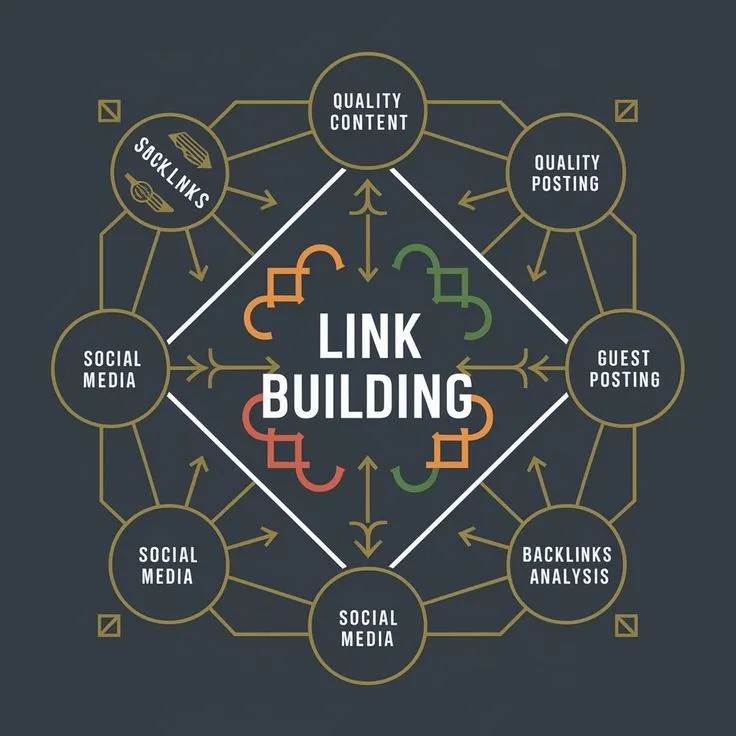
Link Building Tactics Covered in This Guide:
1. Digital PR and Newsjacking
For brands with any kind of knowledge or information to contribute, digital PR has quietly emerged as the most dependable way to generate links. You present your brand as a source that writers and journalists want to cite rather than outright requesting links.
Reporters looking for quotes on breaking topics or trend pieces can now easily connect with experts using platforms like Qwoted and Featured. You have a good chance of getting a connection from a reputable newspaper if you can reply promptly with a well-written, really helpful quote.
Similar techniques are used in newsjacking, which involves linking your remark or content to a topic that is popular in your field and quickly selling it to appropriate media. Speed and relevance are crucial; a generic hot take is rarely successful.Why it works: Google greatly trusts these links because they are earned rather than requested, making them almost impossible to spoof.
2. Original Data and Research
Being the sole source for a piece of information is the best way to gain links. Because they can’t find such information anywhere else, journalists, bloggers, and other websites have an incentive to specifically reference you when you provide original surveys, proprietary usage data, or internal research reports. A large research budget is not necessary for this.
3. Strategic Guest Posting (Not Spam)
Mass guest posting is dead, but guest posting itself is still alive. This is the link building tactics that is most frequently used incorrectly out of all those on this list. Google’s algorithms are becoming more adept at identifying the pattern, and the outdated strategy of bombarding hundreds of low-quality websites for a fast backlink has been devalued for years.
Targeted, relationship-based guest posting—writing genuinely helpful content for a few websites your audience actually visits, based on true connections with editors rather than cold outreach templates—remains effective. Here, more than nearly anywhere else in SEO, quality over numbers is crucial.
4. Broken Link Building
The procedure is to identify broken or dead links on authoritative, pertinent pages, then get in touch and offer your material as a substitute. This procedure is now quicker thanks to tools that check for broken links, but the outreach still needs to be targeted and personal; regardless of the strategy, generic pitches are dismissed.
5. Competitor Backlink Analysis
One of the most effective link building tactics for identifying feasible, realistic chances is reverse-engineering where competitors obtain their links. You may pull a competitor’s backlink profile using tools like Ahrefs and Semrush to spot trends: are they receiving links from resource sites, industry directories, guest posts, or PR mentions?
Although it won’t find every opportunity, it provides you with a selection of websites that have been shown to connect to companies similar to yours, which typically results in a greater response rate than cold calling random websites.
6. Building Linkable Assets
Links to free tools, calculators, templates, and interactive resources typically accumulate over time, long after the original publication date. This strategy pays off the longest out of all the link-building strategies on this list, but it takes the greatest initial effort. A truly helpful tool is bookmarked, shared, and acknowledged by other websites creating “best tools” or “free resources” roundups, in contrast to a blog post that requires ongoing advertising.

Avoid These Link-Building tactics in 2026
Steer clear of:
- Paid link networks or PBNs — increasingly risky given recent algorithm updates targeting manipulative link schemes
- Low-quality directory submissions — these carry little to no ranking value today
- Reciprocal link exchanges — easily detected patterns that can do more harm than good
The Bottom Line
In 2026, link building will reward authentic value, something Google has been advocating for years. Whether it’s original research, a practical tool, or just being a trustworthy source for journalists, all effective link building tactics require you to gain attention rather than create it.
The majority of link-building guidance is theoretical. It rarely displays actual figures, but it informs you what should generally work. Rather than creating a new list of recommendations, we conducted a 90-day experiment in which five link building tactics were monitored side by side to see which ones, for a mid-sized SaaS business with a moderate backlink profile, truly made a difference.